From Aristotle to Aquinas to Lewis, we fall at the feet of the beautiful. Some say that beauty demands form first – that we must behold something in order to know beauty exists. Others remind us that the forms of beauty we behold point to something else, the thing behind the thing. It’s not really the thing we desire at all. We see beauty, and we long for God.
HOME BEHIND THE SUN, Timothy D. Willard, Jason Locy
Dear Ine Mountain,
I don’t like you.
Sometimes I catch myself being critical of you, disparaging the conditions of the relationship we’ve entered into. Yes, certainly I can be judgmental, but you! You can be harsh and inhospitable. In the summer you are relentless, unforgiving and abusive. In the winter you are impulsive, volatile, and rebellious.
You’re all I’ve got.
It rained a bit yesterday and it’s been quietly raining all day today. You are green and soft and charming. The horses are lulled into a drowsy ennui. The cat and dog are on the porch, secure and lost in their napping. Your beauty is most visible this time of year, and after a few days of rain you will be verdant and boasting of wildflowers and blooming vines. As I look out to the north across your tangled and randomly obscured expanse, I feel my tension give way to gratitude. You are more than I once imagined was possible. Admittedly, I am cautious. I know it’s a trick; a few short weeks of this display of beauty and you’ll be harsh again. You are a mercurial and irascible partner, fickle and untrustworthy, in turns indifferent then seductive.
I love you.
How could I not love you? You are our home. Seldom embraceable, rarely reassuring, still you are our home. Your flora is often prickly, stinging or loaded with hidden thorns. Your hard packed soil gives way to rocks and scrappy native grasses. Coyotes, snakes, lizards, hornets, scorpions, fire ants – hardly the cuddly types – we’re all your stubborn tenants. You provide for us, nourish us in your own way. Troubling as it is, you are where I find myself rooted, so it’s no wonder I also often find myself feeling unmoored, only a contrived and sketchy sense of belonging. You see, my ancestors, those women whose sensibilities have shaped my modern-day longings which spark the memory of my intrinsic kinship with the earth, they all hail from northern and western Europe. Their wisdom was wrought in the rhythm of four seasons, not just two; they breathed the air of forests, meadows, and rich tilled soil; they never doubted the element of water whether in their wells or abundant lakes and rivers or plentiful rains. Their land was a splendid and vivid Mother.
A few days ago, my husband recounted a conversation he had with a friend who’d recently been through a divorce, the kind of divorce that provokes uncharacteristic and upsetting behaviors from the former spouse. He said that one day while taking a long contemplative walk to help find his way through the experience, he was given an insight. He became sharply aware that this was a ‘test of love.’ Not a test in the sense of being challenged, but an opportunity to realize that he could know the presence of love amidst the pain and bewilderment. Love is here. I was so struck by his story. It made me wonder about times in my own life, when reflected upon, could I see that they too were a test of love? Could I also realize that amid my failures, discouragements and anxious heartbreaks, love was there, even then? Wouldn’t I love knowing that.
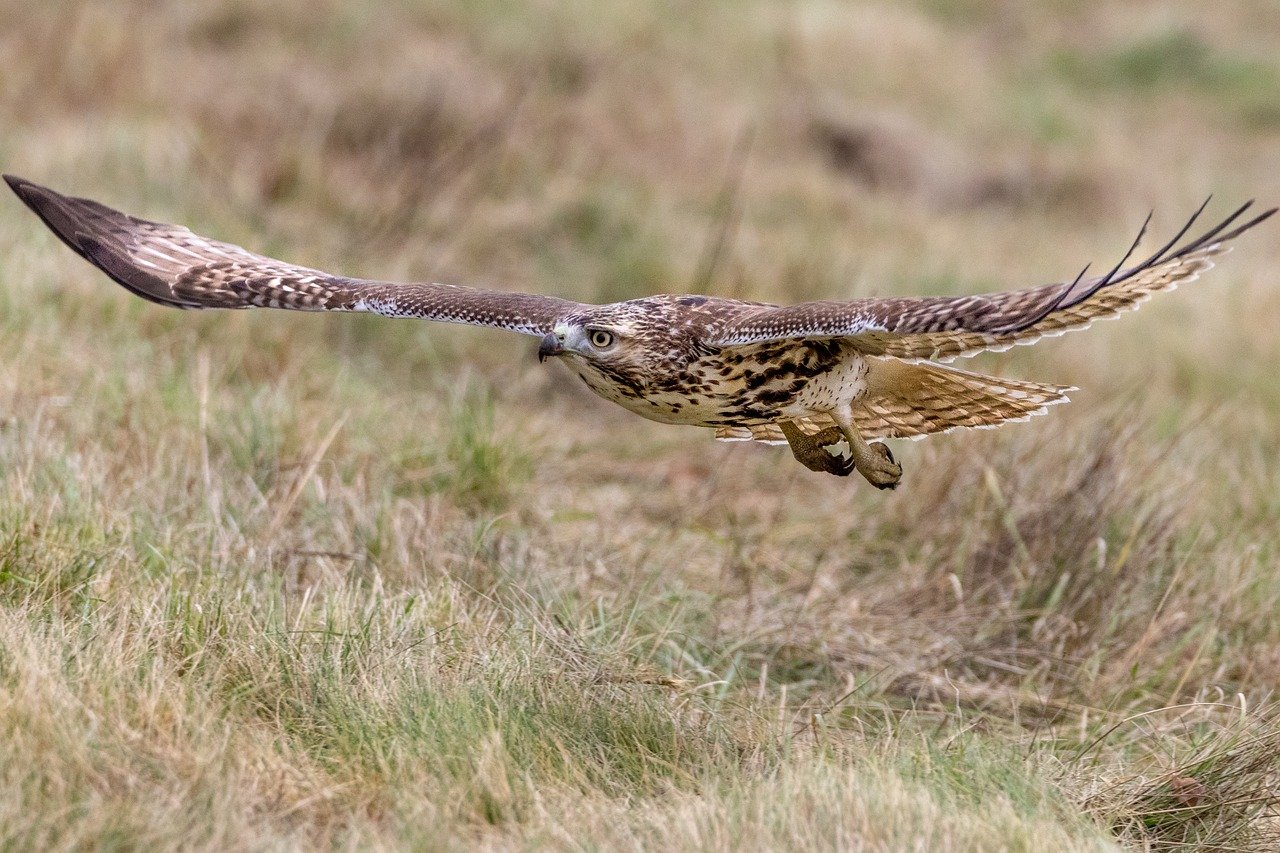
Yesterday a red hawk crossed remarkably close in front of my car as I neared the turn into my driveway. Its beauty took my breath away. Its beauty is of this place, here at Ine Mountain. I always interpret rare encounters with the natural world as conversation with the Infinite. It’s as if It were saying to me, “Love is here, even here.”
 Spark of Mind